
Autumn Without Pumpkin Spice
Updated: Nov 4
Pumpkin spice has become so closely tied to autumn that it can feel less like one scent direction and more like a seasonal requirement.
Cinnamon. Clove. Vanilla. Pumpkin.
There is nothing wrong with that combination. Fall simply has a much larger vocabulary.
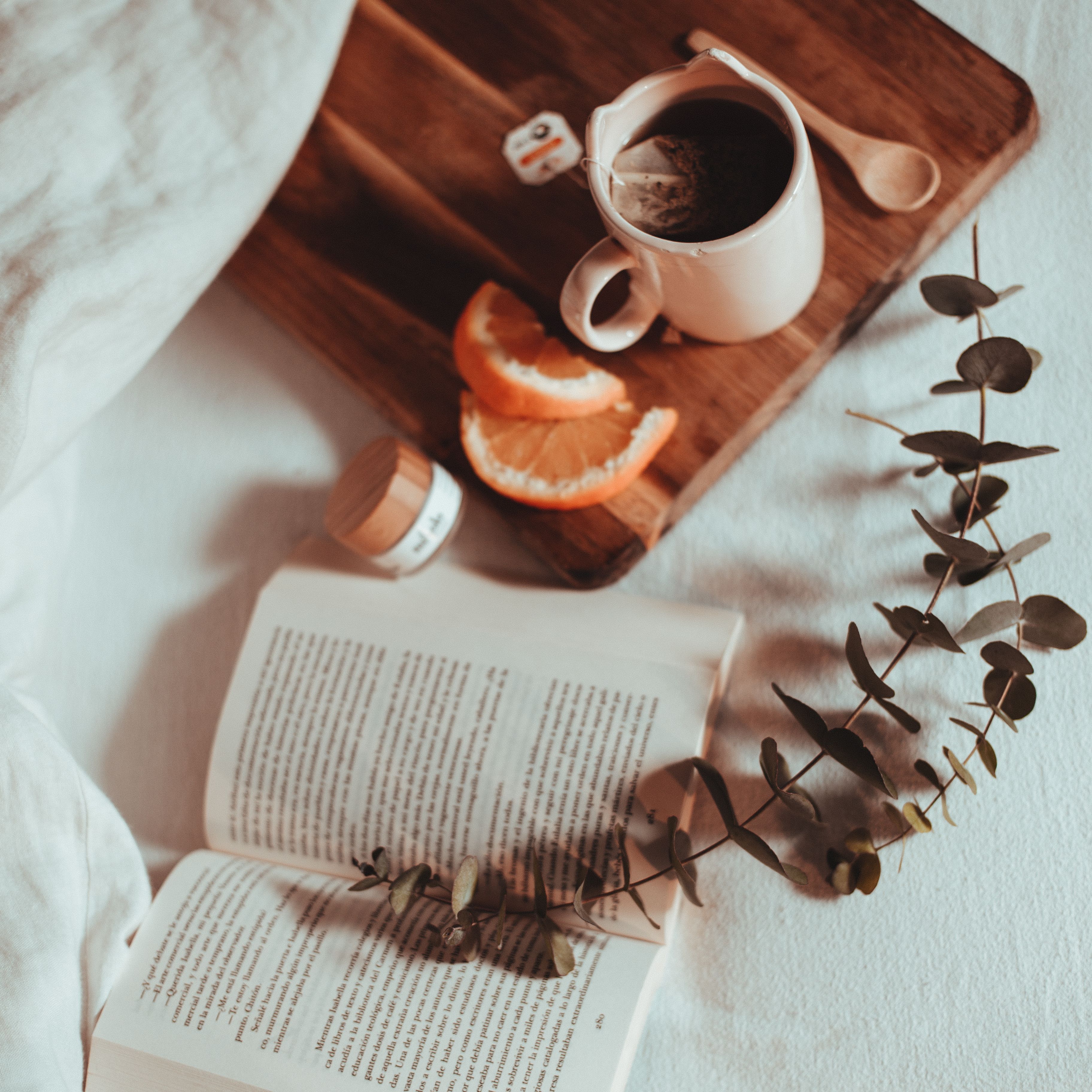
It can smell like fruit skin instead of pie filling. Tea instead of frosting. Dry wood instead of bakery air. Orange peel instead of orange candy.
Warmth does not have to mean maximum sweetness. And seasonal does not have to mean obvious.
Start with dark fruit
Plum is an easy way to move into fall without making the room smell like dessert.
The useful distinction is texture. Think plum skin rather than plum syrup.
Dark fruit can feel juicy, but it can also feel shadowed, tart, wine-like, woody, or gently spiced.
Current 2026 fragrance coverage has highlighted dark fruits, richer berry effects, tea, woods, amber, and spice used with more contrast rather than as pure sweetness.
For home fragrance, that opens combinations such as:
dark fruit + dry wood
plum + ginger
black cherry + oak
berry + tea
fruit + amber.
The fruit provides warmth and familiarity. The structure keeps it from becoming candy.
Use tea as warmth without weight
Tea is one of the most flexible fall ideas because it can feel cozy without becoming heavy.
Black tea can add tannic dryness. White tea can feel lighter and more polished. Chai can bring spice while keeping a leafy core.
Tea also sits naturally beside fruit, honey, citrus peel, woods, and soft florals.
That makes it a useful bridge between summer brightness and winter depth.
For Pruneme, this territory already feels native rather than trend-chasing: warmth with air still left inside it.
Think peel, not juice
Citrus is often treated as a warm-weather category. Peel changes the mood.
Orange peel has bitterness. Grapefruit rind has bite. Bergamot can feel dry and aromatic. Mandarin can soften a darker composition without making it feel tropical.
In autumn, citrus works particularly well as lift against tea, spice, dark fruit, wood, or amber. It keeps warmth from becoming static.
Let wood carry the season
Cedar does not need cinnamon to feel autumnal.
Dry wood already carries many of the associations people look for in fall: structure, warmth, paper, forest air, firewood, quiet interiors.
Add sandalwood and the effect can become softer. Add vetiver and it may feel drier or earthier. Add fruit and the fruit gains a frame. Add tea and the composition can feel almost architectural.
Woods create atmosphere without requiring a literal holiday reference.
Use spice as punctuation
Spice is most interesting when it has a job.
Ginger can sharpen sweetness. Cardamom can add aromatic warmth. Clove can deepen fruit. Cinnamon can create familiarity. Nutmeg can add dryness and bakery association.
When every fall fragrance uses every spice at maximum volume, different compositions start collapsing into the same idea.
Spice often works better as punctuation than as the entire sentence.
Try tonka when vanilla feels too literal
Vanilla is comfortable. Tonka can be more complicated.
Depending on the composition, it can suggest vanilla, almond, hay, soft spice, warmth, tobacco-like depth, or darker sweetness.
That makes it useful in a fall gourmand that wants texture rather than frosting.
Current 2026 fragrance coverage has also pushed gourmands toward more layered interpretations—tea, woods, roasted or nutty facets, bitterness, smoke, and browned sweetness.
The trend may pass. The design principle is stronger: sweetness becomes more interesting when something shapes it.
Build an autumn palette, not a checklist
A fall home does not need to smell like every symbol of fall at once. Choose one direction.
Dark: plum skin + wood + amber.
Dry: black tea + cedar + orange peel.
Warm: tonka + ginger + soft woods.
Fresh: evergreen + moss + restrained amber.
Comforting: chai + cream + a dry spice edge.
The seasonal feeling comes from the balance, not from the number of “fall” notes in the description.
Autumn can be recognizable without being predictable
Pumpkin spice became popular for a reason. It is warm, familiar, nostalgic, and immediately legible.
Those qualities exist elsewhere too: in the tannic edge of black tea, plum skin, bitter citrus peel, cedar, tonka, ginger, and the smell of green turning dry.
Autumn has more than one scent. The interesting part is choosing which version feels like yours.
Sources
Related Pruneme reading: Scent Families: Citrus, Woods, Amber, Tea. This guide provides additional context for understanding the fragrance descriptions above.


Comments